
Originally Posted On: https://anzzi.com/blogs/news/how-to-compare-sliding-shower-doors-against-pivot-and-hinged-alternatives
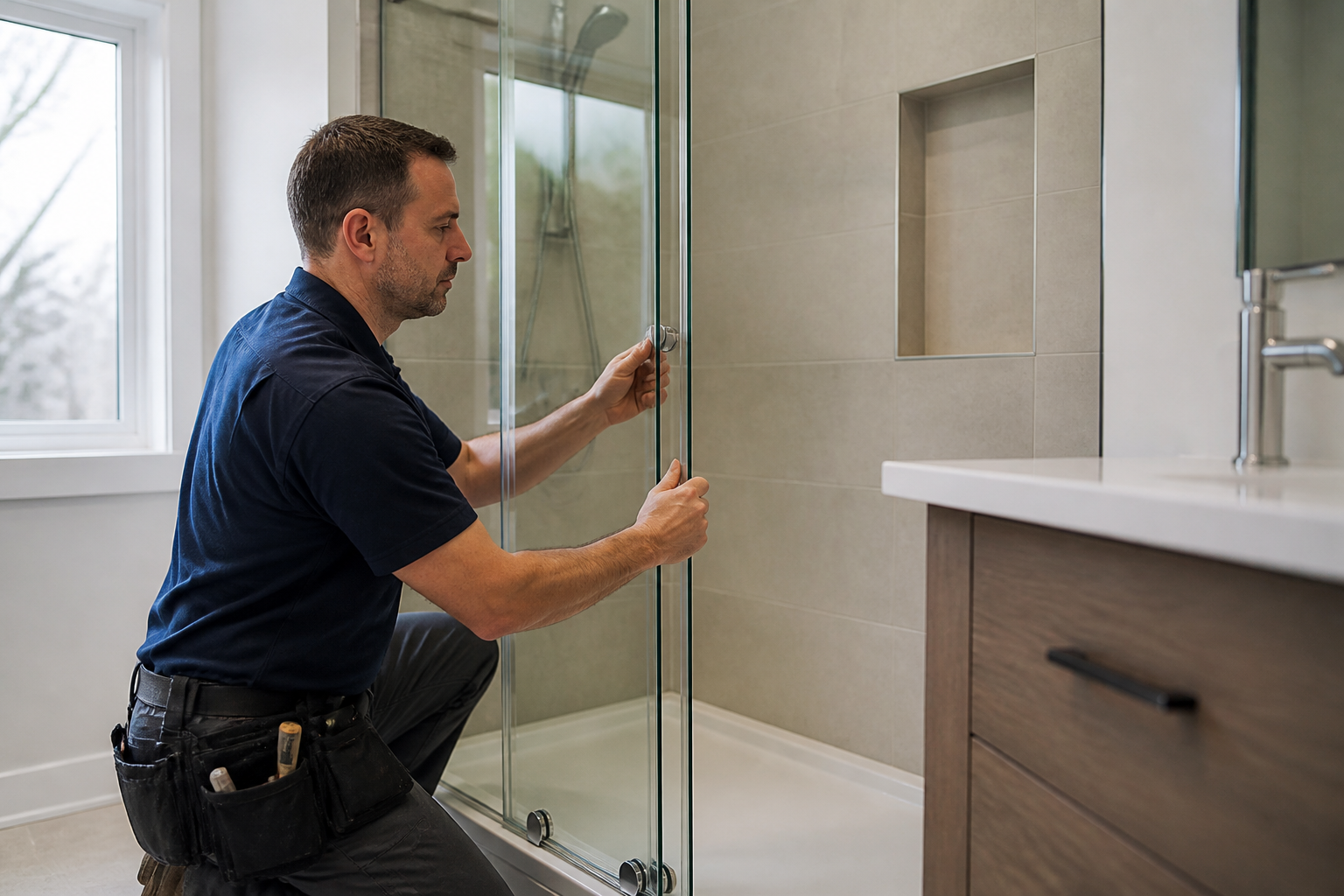
What You'll Need
-
Tape measure — for shower opening width, wall space, and bathtub length
-
Notepad or phone camera — to record measurements and snap photos of your existing enclosure
-
Level — to check if your walls and tub deck are true (older bathrooms often aren't)
-
Painter's tape — to mark out swing clearance for pivot or hinged doors on the floor
-
Screwdriver set — for removing an old door or track during comparison and later install
-
Budget range in mind — glass style, frame type, and track hardware all shift the number
-
Basic DIY comfort — helpful but not required; many kits are built for one person to handle
-
Time needed — roughly 30-45 minutes to measure and compare styles, plus 2-4 hours later for actual installation
Twenty-two years of remodeling bathrooms, — here's the question that stops every homeowner cold: sliding or hinged? Pick wrong and you'll spend the next decade either bruising your hip on a swing door or wrestling a track that's jumped its rollers. Sliding shower doors solve a real problem — tight floor space — but they're not automatically the right call for every layout.
A pivot door needs 24 to 30 inches of clear swing room. A hinged glass panel needs almost as much. Cram either into a small bathroom next to a vanity or toilet, and you're bumping elbows every morning. That's exactly why bypass-style sliders dominate small bath renovations and why so many homeowners search out frameless sliding shower doors for tubs before ever calling a contractor.
But sliding isn't free of trade-offs. Tracks collect grime. Frameless versions cost more upfront than framed kits. And not every shower opening is built for a bypass system without some wall or curb work first. Before you order anything, get the comparison straight — measurements, glass style, and real daily use — so you're not stuck living with the wrong door for years.
What You'll Need Before You Start Comparing Door Styles
Picture a customer standing in a gutted bathroom, tape measure in hand, staring at a tub that's slightly out of square with the wall. That's the moment most people realize picking a door isn't just about looks. Before you shop sliding shower doors or hinged units, grab a tape measure, a level, and a notepad. You'll need three numbers: opening width, wall-to-wall depth, and available swing clearance if you're even considering a hinged option.
Measuring Your Shower Opening, Wall Space, and Bathtub Length
Measure the opening at the top, middle, and bottom — tubs and stalls shift over decades. Standard bathtub lengths run 60 inches, but older homes sometimes run short. Note ceiling height too; some track kits need clearance for the header.
Deciding Between Framed, Frameless, and Semi-Frameless Glass
Framed units cost less and hide minor wall imperfections. Frameless shower glass doors look cleaner but demand near-perfect measurements. Semi-frameless splits the difference — sturdy hardware, minimal metal, forgiving install. Pick based on your walls, not just your Pinterest board.
Step 1: Map Out Your Bathroom Layout and Clearance Requirements
Grab a tape measure before you fall in love with any door style. That's the honest starting point — not the glass finish, not the hardware color. Every pivot or hinged door needs an arc of open floor to swing through, and a lot of older bathrooms just don't have it.
Checking Floor Space for Pivot and Hinged Swing Room
Stand at the tub or shower opening and picture a door swinging a full 24 to 32 inches into the room. If a vanity, toilet, or wall gets in the way, a hinged or pivot door — including a standard framed shower enclosure from framed shower enclosure options — simply won't work without a layout change.
Why Sliding (Bypass) Doors Work Better for Tight Bathrooms
Sliding shower doors solve this because the panels glide along a track instead of swinging out. No arc, no clearance math, no bruised hips from a door you forgot about. For narrow bathrooms, half-baths, or tub-shower combos wedged between fixtures, a bypass system — like the anzzi shower doors lineup — makes far more sense than a swinging panel.
Step 2: Compare Sliding, Pivot, and Hinged Doors on Function and Daily Use
Which door style actually fits how your household showers every morning? That's the real question, not just which one looks nicest in photos.
Sliding Shower Doors for Bathtub vs. Walk-In Shower Enclosures
A bathtub sliding door kit rides on a fixed track above the tub deck, so there's no swing radius to plan for — good news in tight bathrooms. Walk-in enclosures give you more flexibility, including semi frameless shower doors (semi frameless shower doors) that balance a cleaner look with a lower price tag than full frameless glass.
Single vs. Double Sliding Shower Doors
Single sliding doors work fine for narrow openings. Double sliding shower doors split the glass into two panels that meet in the middle, which cuts down on the bulky overlap you get with one big panel. For smaller footprints, weigh shower doors for small bathrooms: sliding versus swing (shower doors for small bathrooms: sliding versus swing) before committing.
Corner and Doorless Walk-In Alternatives Worth Considering
Corner units and doorless walk-in showers skip hardware entirely. No track, no rollers, nothing to replace later. They just need more square footage to work.
Step 3: Weigh Glass Style, Privacy, and Maintenance Trade-Offs
Here's a number that surprises most homeowners: nearly 4 out of 10 glass door complaints trace back to the wrong glass choice, not the door mechanism itself. Glass style affects privacy, cleaning time, and how the bathroom actually feels day to day — and that's a decision separate from sliding versus pivot.
Clear Glass vs. Frosted Glass vs. Half Frosted Panels
Clear glass makes small bathrooms feel bigger and shows off tile work, but it shows every soap spot too. Frosted glass hides water spots and offers privacy without a curtain, though it can make a shower feel boxed in. Half frosted panels split the difference — frosted below, clear above — a popular middle ground. If you want a premium look, frameless sliding glass shower doors paired with frosted lower panels give you both privacy and an open sightline up top. For a cleaner, thinner profile between panels, look into semi-frameless shower door sightlines, which trim down the bulky metal edges you'd get with fully framed units.
Cleaning and Track Maintenance for Sliding Shower Doors
Tracks trap hair, soap film, and mineral buildup fast. Wipe the track weekly, squeegee the glass after every shower, and check rollers twice a year. Skip this, and the door starts sticking within months.
Step 4: Match Your Choice to Budget, Hardware, and Replacement Parts
Most folks assume cheaper hardware always means cheaper long-term costs. Not true. A bargain track system with plastic rollers wears out in two or three years, and you'll be back at square one hunting for parts.
Sourcing Sliding Shower Door Kits and Replacement Parts
Before you buy, check what's actually replaceable. Rollers, gaskets, and track guides are the parts that fail first — order a kit with spares if you can. Our frameless sliding shower doors use standard hardware sizing, so replacement rollers and seals aren't a nightmare to track down years later. If you want a solid reference point for what quality hardware feels like, look at a specific sliding shower door model and compare its roller design against what's on your current setup.
Common Mistakes When Comparing Door Types
Here's what most people miss: they compare sticker price without factoring in glass thickness. Thin glass (under 1/4 inch) flexes, rattles, and cracks sooner.
-
Skipping the track cleaning check before purchase
-
Ignoring wall plumb — sliders need true walls to seal right
-
Buying frosted glass without checking privacy needs first
Step 5: Confirm Your Final Choice and Prepare for Installation
Picture this: your tile guy shows up Monday, and you still haven't measured the alcove for your new door. That's the scenario to avoid. Before you order anything, grab a tape measure and confirm the rough opening width, wall-to-wall depth, and tub or base height one more time — twice, actually.
Verifying Fit, Seat, and Bench Clearance Before You Order
If your shower has a built-in seat or bench, check that the sliding track and rollers won't collide with it when the door glides open. Corner units and walk-in showers with a bench often need a shorter panel or a bypass configuration instead of a standard single-track door. Measure from the seat's front edge to the wall opening; you'll want at least 4 inches of clearance for the rolling panel.
Next Steps: Getting Your Sliding Shower Door Installed Right
Once measurements check out, decide where to buy shower doors that match your frame style and finish — a place like where to buy shower doors makes comparing framed, frameless, and semi-frameless options straightforward. Also confirm replacement rollers and brackets are available; sliding shower door hardware should match your track length exactly. Don't skip this step — mismatched hardware is the top reason installs stall.
How-To FAQ
What are the disadvantages of sliding shower doors?
The biggest downside is the track. Sliding doors ride on a bottom rail that collects hair, soap scum, and hard water buildup fast — you'll be cleaning it weekly if you've got hard water. They also only give you one full opening at a time (unless you spring for a double sliding setup), which makes them a bit tighter to step through than a hinged door swung wide open.
How much does it cost to have a sliding shower door installed?
Installed cost depends mostly on frame type and glass thickness, with frameless sliding doors running higher than framed kits because of the heavier tempered glass and precision hardware. Get two or three quotes from local installers before you commit — labor rates swing a lot more than the door itself.
What is the best sliding shower door?
There's no single "best" door — it depends on your opening and how much wall space you've got. For a bathtub, a frameless bypass door with a smooth-glide roller system is tough to beat. For a walk-in shower with limited width, a semi-frameless sliding panel usually gives you the cleanest look without the price tag of full frameless glass.
What is the alternative to sliding shower doors?
Pivot doors, hinged doors, and doorless walk-in showers are your main alternatives. A pivot or hinged door needs floor clearance to swing open — sliding doors don't. Doorless walk-ins skip the door entirely and rely on an angled entry or half-wall for splash control, which is a solid option if your bathroom's big enough to handle the open spray.
How long does it take to compare and choose a door style?
Plan on a weekend if you're doing it right. Measuring your opening, checking clearance, — comparing framed versus frameless options takes maybe an hour of actual work — but give yourself a few days to sit with your decision before ordering. Glass doors aren't cheap to swap out once installed.
Can I replace just the sliding door hardware instead of the whole enclosure?
Yes, in most cases. Rollers, tracks, and handles are sold separately as replacement parts, and swapping worn hardware is usually a Saturday afternoon job. Check your door's brand and panel thickness first — hardware isn't universal, and a mismatched roller kit will bind or rattle within a month.
Picking a door style comes down to floor space, glass preference, and how much cleaning a homeowner actually wants to do. A cramped bathroom with a tub surround usually settles the debate fast — sliding shower doors don't need swing room, so they fit where pivot and hinged models simply can't. Frameless glass looks sharper, but semi-frameless tracks are easier on the wallet and still clean up fine with a squeegee and some vinegar. Don't skip the measuring step. Get the opening width, wall depth, and any bench or seat clearance nailed down before ordering hardware — a door that's a half-inch off can turn a Saturday project into a return-and-reorder headache.
Once the numbers check out and the glass style's chosen, the hard part's done. Grab a tape measure, confirm rough opening dimensions one more time, and order a sliding shower door kit sized to match. That's the whole game: measure twice, order once, and enjoy a door that actually works for the space it's in.


