
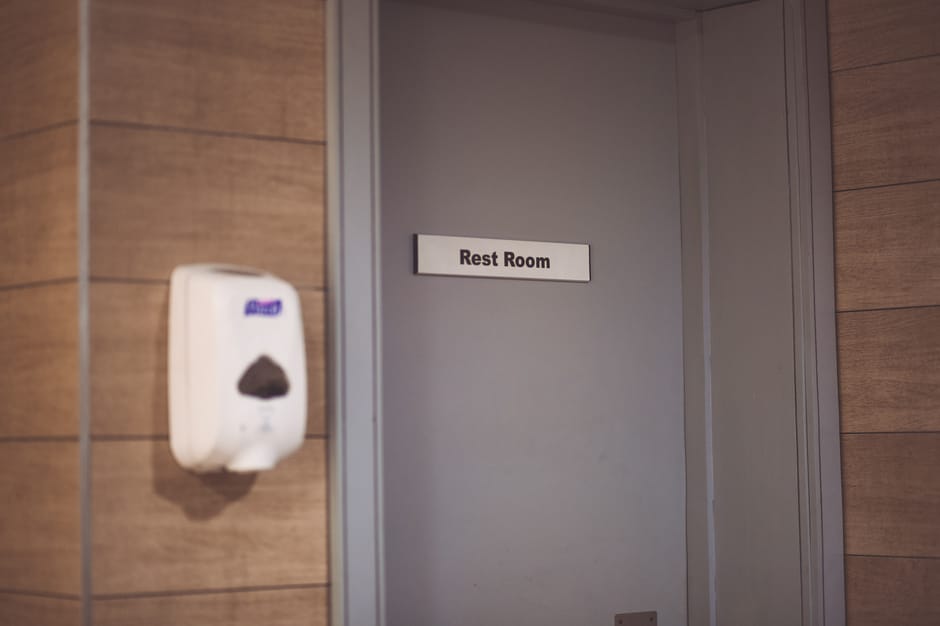
A dirty restroom can quietly damage a business before anyone says a word. In a Cintas-commissioned Harris Poll, 74% of Americans said dirty restrooms would give them a negative perception of a business. That makes restroom cleaning more than a maintenance task. For commercial spaces, it is part of customer trust, employee comfort, and the overall impression a facility makes.
Commercial restrooms work harder than home bathrooms. They may serve employees, customers, patients, students, vendors, and visitors in the same day. That constant use means restroom sanitation needs a clear routine, not an occasional deep clean when problems become obvious.
Start With the High-Touch Areas
Every restroom cleaning routine should begin with the surfaces people touch most often. Door handles, stall locks, flush handles, faucets, soap dispensers, paper towel dispensers, hand dryers, light switches, and grab bars can collect germs quickly in a busy facility.
These areas should be cleaned and sanitized during every routine service. For commercial cleaning teams, consistency matters more than speed. A restroom may look clean at a glance, but high-touch surfaces can still need attention throughout the day, especially in medical facilities, restaurants, schools, retail spaces, coworking offices, and corporate buildings.
Clean Toilets, Urinals, and Sinks Thoroughly
Toilets, urinals, and sinks are the center of any restroom sanitation checklist. They need more than a quick wipe. Bowls, seats, handles, partitions, sink basins, faucets, and surrounding surfaces should be cleaned with the right products and enough contact time to work effectively.
Eco-friendly restroom cleaning does not mean skipping sanitation. It means choosing safer, effective products and using them correctly. The goal is to reduce harsh residue, strong chemical odors, and unnecessary irritation while still maintaining a clean, professional restroom.
Make Mirrors and Chrome Part of the First Impression
Mirrors, faucets, handles, and chrome fixtures can make a restroom feel clean or neglected within seconds. Streaks, water spots, fingerprints, and soap residue are highly visible, especially in customer-facing spaces.
For a polished result, mirrors should be cleaned from top to bottom, while chrome fixtures should be wiped until they are clear of spots and buildup. This step may seem cosmetic, but it supports the larger goal of making the restroom feel cared for and professionally maintained.
Give Floors More Attention Than a Quick Mop
Restroom floors carry water, soil, bacteria, tracked-in debris, and cleaning residue. A quick mop may spread moisture around without fully removing buildup. A stronger routine includes sweeping or vacuuming debris first, applying the right cleaning product, scrubbing problem areas, rinsing when needed, and removing dirty water properly.
This is especially important in commercial facilities with heavy restroom traffic. Wet or poorly cleaned floors can create odor issues and leave the space feeling unfinished. Floor edges, corners, and areas around toilets and sinks should receive extra attention because buildup often collects there.
Control Odors at the Source
Air fresheners may cover restroom odors for a short time, but they do not solve the underlying problem. Odor control starts with removing bacteria, moisture, soil, and residue from toilets, urinals, drains, floors, trash areas, and hard-to-reach corners.
Trash should be emptied regularly, liners replaced, and dispensers checked. Soap, toilet paper, and paper towel supplies should also be restocked before they run out. A clean restroom can still create a negative impression if basic supplies are missing.
Do Not Forget Walls, Stalls, and Partitions
Restroom walls and stalls are easy to overlook because they are not always visibly dirty. In commercial spaces, however, they can collect splashes, fingerprints, dust, and odor-causing buildup. Stall doors, partition edges, wall areas near sinks, and surfaces around hand dryers should be part of the routine.
The experts at Clean Corners, a commercial cleaning company serving Caledonia, WI, and the Grand Rapids area, note that restroom sanitation should include mopping, scrubbing, and sanitizing restroom walls and stalls, along with cleaning mirrors and chrome.
Choose Eco-Friendly Products Carefully
Eco-friendly restroom cleaning should focus on products that are safe, effective, and appropriate for commercial surfaces. Businesses should look for cleaning routines that reduce harsh fumes, avoid unnecessary residue, and still support proper sanitation.
The best approach is not just about which products are used. It is also about process: applying products correctly, allowing enough dwell time, scrubbing where needed, rinsing surfaces, and removing soil instead of simply moving it around.
Final Restroom Cleaning Checklist
A strong commercial restroom checklist should include high-touch surfaces, toilets, urinals, sinks, mirrors, chrome, walls, stalls, floors, drains, trash, supplies, odors, and final inspection. Each step helps create a restroom that looks clean, smells fresh, and supports a better experience for everyone using the facility.
For businesses, restroom cleaning is not just a back-of-house task. It is part of the brand experience. A clean, well-stocked, eco-friendly restroom can help a commercial space feel more professional, more welcoming, and better prepared for daily use.
Clean Corners LLC
rbarrett1844@gmail.com
+16166447991
4445 44th Street Southeast
Suite A
Grand Rapids
MI
49512
United States


